Offshore Racing vs Performance Boats: Choosing Your Ride in Florida
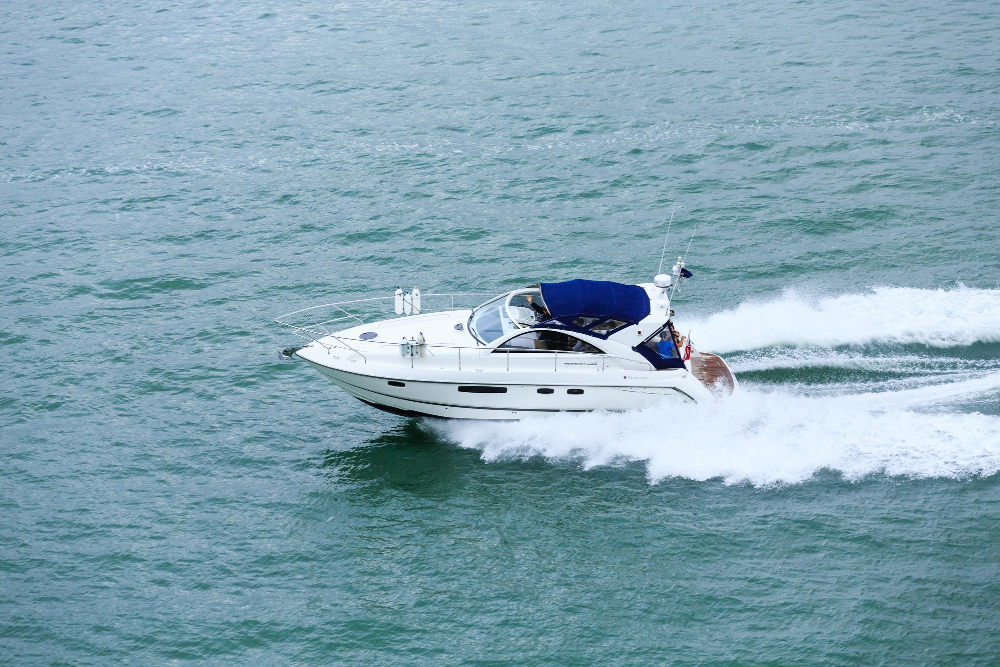
Living in Central Florida means you're never far from a boat ramp. Whether you launch at the Sanford Marina to run the St. Johns River or tow out to Ponce Inlet for some Atlantic Ocean action, you'll see two specific types of vessels dominating the water: offshore racing boats and performance boats.
For new buyers, these two might look similar at a glance. They're both fast, sleek, and loud. But buying the wrong one can turn your dream weekend into a frustrating (and expensive) experience. We've seen plenty of boaters buy a purebred racer when they really needed a family cruiser, and vice versa.
Here is the breakdown of what separates a dedicated offshore racer from a versatile performance boat, and how to decide which one fits your Florida lifestyle.
What Defines an Offshore Racing Boat?
Offshore racing boats are purpose-built machines designed to sustain high speeds of 80+ MPH in rough open water conditions. They prioritize aerodynamics, lightweight construction, and raw power over creature comforts. If you want to get from point A to point B faster than anyone else, this is your vessel.
The design usually features a deep-V hull. This allows the boat to slice through 3-to-4-foot waves rather than bouncing over them. For example, the powerboat rentals and racing models like the Velocity 22 Punisher are built with a hybrid carbon layup. This makes the hull incredibly rigid and safe at high speeds, but it also keeps the weight down to approximately 3,500 lbs.
The cockpit of a racer is tight. It's designed to keep the driver and throttleman secure when the boat catches air. You won't find large sunpads or wet bars here. You will find high-back bucket seats, heavy-duty gauges, and footrests to brace yourself.
How Do Performance Boats Differ?
Performance boats offer a balance of exhilarating speed and family-friendly amenities, making them the better choice for most recreational boaters. While they share DNA with racing hulls—often utilizing similar steps and deadrise angles—the deck layout is completely different.
A performance boat is designed for a full day on the water, not just a sprint. You get speed, but you also get space. These boats often feature:
- Seating for 5 to 8 passengers.
- Storage for wakeboards, coolers, and gear.
- Swim platforms and ladders.
- Better fuel capacity for cruising.
For example, center console boat rentals and sales models like the Velocity 262CC allow you to fish in the morning, tow kids on a tube at noon, and cruise to dinner at sunset. They bridge the gap between a slow pontoon and a high-strung racer.
What Are the Real Ownership Costs?
Running an offshore racing boat costs significantly more per hour than operating a standard performance boat. High-performance racing engines often require 91 or 93-octane fuel and consume it rapidly at wide-open throttle.
Maintenance schedules are also aggressive. A standard Mercury outboard might need service every 100 hours or annually. A racing setup often requires more frequent gearcase fluid changes and prop inspections. If you push a racing engine to its limit every weekend, you're looking at a shorter lifespan before a rebuild is necessary.
Performance boats are generally friendlier on the wallet. Many modern offshore power boats Florida residents drive are rigged with efficient outboards like the Mercury Verado or Pro XS. These engines offer great torque but sip fuel when you'ren't hammering the throttle. For instance, a boat with a 150-gallon tank (like the 262CC) gives you a massive range for long-distance cruising without constantly worrying about the next fuel dock.
Which Boat Handles Florida Waters Better?
In Florida, a deep-V offshore boat offers superior handling when the afternoon sea breeze kicks up a chop on Lake Monroe or the coastal Atlantic. The sharp entry of the hull cuts the water, offering a smoother ride when conditions get rough. If your goal is to blast over to the Bahamas or race from Miami to Key West, the offshore racer is the superior tool.
However, the draft matters in Central Florida. The shallow flats of the Mosquito Lagoon or the winding turns of the St. Johns River require a boat that can float in skinny water. Both the 22 Punisher (18" draft) and the 262CC (18" draft) are surprisingly capable in shallow water.
But for general handling, the performance boat wins on versatility. It's easier to dock at a waterfront restaurant in DeLand because of the accessible cleats and walk-around space. It's also easier for passengers to move around while underway, which is a nightmare in a strapped-in racing cockpit.
Why Center Consoles Dominates the Local Scene
Center consoles are currently the most popular offshore power boats Florida locals are buying, and for good reason. They offer 360-degree fishability and an open layout that suits our hot climate.
A center console performance boat usually offers:
- Shade: T-tops provide relief from the brutal Orlando sun.
- Airflow: The open design captures the breeze better than a closed-deck sport boat.
- Utility: You can haul scuba tanks, fishing rods, and groceries all in one trip.
If you look at the specs, a 26-foot center console weighs around 4,150 lbs (without the engine). That extra weight helps crush smaller waves, providing a stable platform for fishing or relaxing at the sandbar.
Making the Right Choice for Your Lifestyle
Choosing between these two comes down to your honest use case.
Choose the Offshore Racer if:
- Your primary goal is adrenaline and top speed (80+ MPH).
- You enjoy the technical aspect of driving and trimming a boat perfectly.
- You plan to participate in poker runs or local racing circuits.
- You don't mind a "driver-focused" cockpit with limited passenger movement.
Choose the Performance Boat if:
- You want to go fast (60-70 MPH) but need to carry family and friends.
- You want to fish, ski, or cruise comfortably.
- You value fuel efficiency and lower maintenance costs.
- You need shade and easy water access for swimming.
We find that 90% of buyers are happier with a performance boat or a center console because it allows them to say "yes" to more activities. But for that 10% who need to be the fastest boat on the lake, nothing beats the rush of a true offshore racer.
Ready to Find Your Perfect Boat?
Whether you're looking for a world-champion hull to crush speed records or a versatile center console for family fun, we build offshore power boats Florida captains trust.
Contact Velocity Powerboats today at (877) 354-1159 to schedule a wet test and feel the difference for yourself.