Power Boats Central Florida: Guide to Fuel Usage & Costs
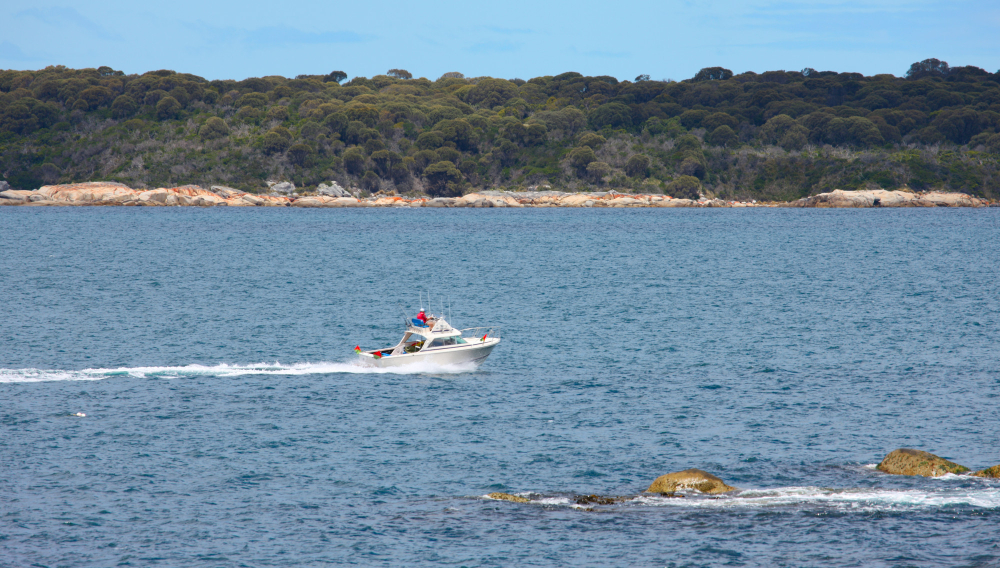
Have you ever looked out at the boats cruising Lake Monroe and wondered how much it costs to keep those engines running? Fuel is often the biggest expense for boaters here in Orlando, where our warm weather lets us stay on the water year-round. Understanding how much gas your boat uses helps you budget for weekend trips to the sandbar without any nasty surprises at the pump.
What Factors Change Fuel Usage in Florida?
Several factors change how much fuel your boat burns, including hull weight, engine type, and local water conditions. In Central Florida, fighting choppy water on a windy day on Lake Jessup burns more gas than cruising the calm St. Johns River. Heavy loads, full livewells, and barnacle growth on the hull also force the engine to work harder, increasing consumption by up to 20%.
The type of boat you run makes a massive difference. A lightweight performance boat cuts through the water differently than a heavy pontoon. For example, if you're looking at powerboat rentals or purchasing a high-performance model like the 22 Punisher, the aerodynamics and hull design are built for speed and efficiency. But even with a sleek design, how you drive matters.
We often see new boaters hammer the throttle to get on plane and then keep it pinned. That is the quickest way to drain your tank. Finding a steady cruising speed is the secret to saving money.
How Do I Calculate Gallons Per Hour (GPH)?
To find your boat's Gallons Per Hour (GPH), check the manufacturer's manual or multiply your engine's horsepower by 10% at wide-open throttle. For cruising speeds, you typically burn about half that amount. For example, a 300HP engine might burn 30 gallons per hour at full speed but only 12-15 gallons per hour at a comfortable cruise.
Here is a simple way to look at it for power boats Central Florida residents often use:
- Wide Open Throttle (WOT): Max fuel burn. You get there fast, but you pay for it.
- Cruising Speed: Usually 3000-4000 RPM. This is your efficiency sweet spot.
- Idle: Very low burn, typically under 1 gallon per hour.
Let’s look at a real example. The Velocity 22 Punisher weighs approximately 3,500 lbs and holds 50 gallons of fuel. If you run a Mercury Racing 300R engine, running it wide open all day will drain that 50-gallon tank quickly. However, most people don't drive like that. You mix cruising, idling, and stopping.
How Much Does a Day on the Water Actually Cost?
A full day of boating in Orlando typically costs between $100 and $300 in fuel, depending on how hard you run the engine. If you spend four hours cruising at 30 MPH and four hours parked at a sandbar near downtown Sanford, you'll use significantly less gas than running at top speed all day. Current marina fuel prices usually sit $1.00 to $1.50 higher than street gas stations.
If you plan to head offshore or take a long trip up the Intracoastal, you need a boat with range. Many power boats Central Florida locals buy are built for these longer hauls.
Take the Velocity 262cc, for instance. It has a massive 150-gallon fuel tank. This capacity is great for long fishing trips, but filling it up requires a credit card with a high limit. If you're considering center console boat rentals or buying one for your family, ask about the specific engine configuration. Twin engines provide safety and power, but they naturally double your potential fuel burn if you'ren't careful with the throttle.
Can I Improve My Boat's Fuel Economy?
You can improve fuel economy by reducing excess weight, maintaining the hull, and finding your boat's "sweet spot" for cruising speed. Keeping the hull clean is vital in Florida's warm waters, where algae and barnacles grow fast. Simply removing unnecessary gear and keeping the engine tuned can save you 10% to 15% on fuel costs over a season.
We recommend these specific steps for Florida boaters:
- Check your prop: A damaged propeller causes vibration and inefficiency.
- Trim it out: Use your trim tabs to lift the hull. Fewer boats in the water means less drag.
- Watch the weight: Don't carry full water tanks if you don't need them. Water weighs over 8 pounds per gallon.
- Plan your route: Use GPS to take the most direct line, avoiding shallow zones where you have to slow down and plow through the water.
In our experience, proper trim is the number one thing boaters ignore. Getting the bow up just a few degrees reduces friction and boosts your mileage instantly.
Do Fuel Monitoring Systems Help?
Modern fuel monitoring systems connect directly to your engine's computer to show real-time usage. These tools help you find the exact RPM where your boat gets the best mileage. For many boaters, installing a flow meter pays for itself within a year by identifying waste and helping adjust driving habits.
Newer Mercury SmartCraft systems or Simrad displays, often found on newer Velocity models, do this automatically. They calculate your "miles per gallon" on the water. You might see that slowing down just 2 MPH saves you 3 gallons per hour. That adds up fast.
If you own an older boat, you can add aftermarket fuel flow meters. They are relatively easy to install and give you peace of mind when you're miles away from the dock.
Need Help Choosing the Right Boat?
Boating in Florida is a lifestyle, not just a hobby. Whether you want to tear up the water in a performance boat or fish the coasts in a center console, fuel efficiency matters.
If you have questions about performance specs or want to see high-efficiency hulls in person, give us a call at (877) 354-1159. We know power boats Central Florida owners rely on because we build them right here.
Contact Velocity Powerboats today to find the perfect ride for your budget and style.