Twin vs. Triple Engine Offshore Boats: Sanford, FL Guide
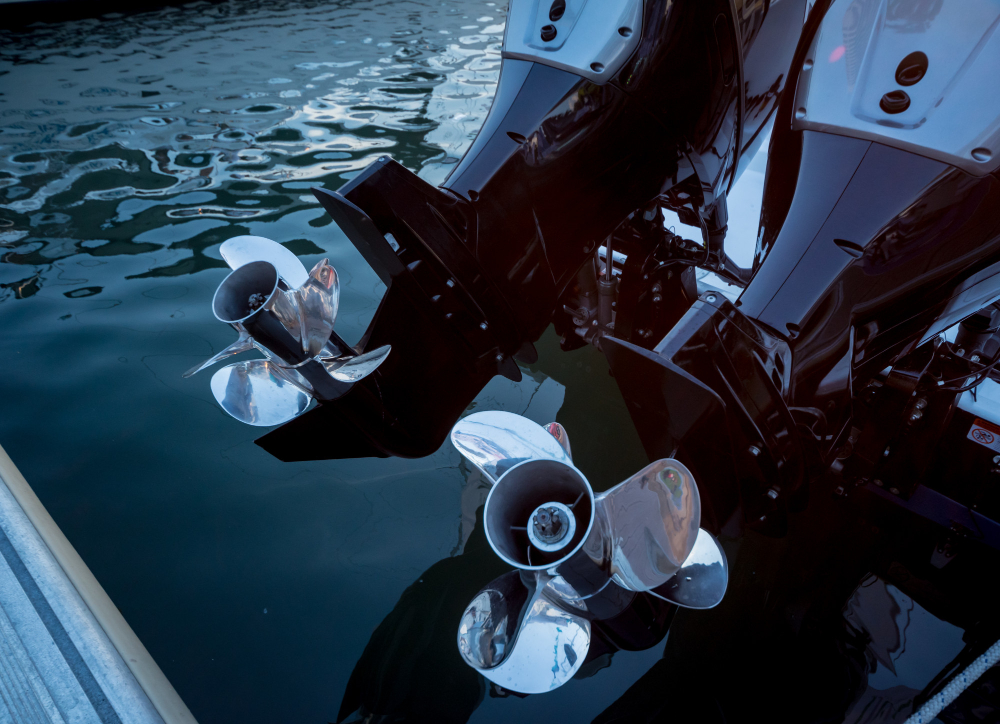
Choosing between twin and triple engines on an offshore performance boat is one of the biggest decisions you'll make as a buyer, and the wrong call can cost you thousands in fuel, maintenance, or lost performance on the water. If you're running out of Sanford or heading toward the Atlantic or the Gulf, the stakes are even higher. Velocity Powerboats has helped Florida boaters work through exactly this decision for years, and here's what we've learned.
Ready to talk through your options with an expert? Call Velocity Powerboats at (877) 354-1159 today.
Is a Twin-Engine Setup Right for Your Offshore Boat?
Twin-engine configurations are the most popular choice for offshore performance boats in the 26- to 32-foot range, and for good reason. They offer a solid balance of fuel economy, manageable maintenance costs, and enough power for most Florida boating conditions.
On a hull like the Velocity 262CC center console, twin 300 HP Mercury Verados deliver strong top-end performance without the overhead of a third powerhead. Fuel burn at cruise speed (around 4,000 RPM) typically runs 15 to 22 gallons per hour combined, compared to 22 to 32 gallons per hour for a comparable triple setup. Over a season of regular offshore runs, that difference adds up fast.
Maintenance tells a similar story. Servicing two outboards each season costs roughly $600 to $1,000 depending on engine size and what's needed. Add a third engine and you're looking at 50% more in scheduled service costs before you even consider unplanned repairs.
Twin setups also fit a wider range of hull sizes. Boats under 30 feet generally don't need three engines to perform well. If you're running weekend trips out of Lake Monroe or heading south toward the Mosquito Lagoon, a twin-engine rig handles those conditions without breaking the bank.
When Does a Triple-Engine Setup Make Sense?
Triple-engine configurations make the most sense on larger hulls (typically 33 feet and up) where a third engine isn't a luxury but a practical necessity for speed, safety, and rough water handling. On a platform like the Velocity 22 Punisher powerboat, raw performance is the priority, and the hull is built to handle serious power.
When you're running 40+ miles offshore into the Atlantic, three engines give you a genuine safety net. Lose one of two engines 40 miles out and you're limping home. Lose one of three and you're still moving at a respectable speed with two powerheads working. That "get home" factor is something our team at Velocity talks about constantly with customers who fish far offshore.
Speed is the other argument for triples. A well-rigged triple setup on a 36- to 40-foot hull can push top-end speeds 8 to 15 mph faster than a comparable twin configuration. In race-inspired builds, we've seen that gap stretch even further. If you're running poker runs out of Ponce Inlet or competing in offshore events, that speed difference is the whole point.
How Do Twin and Triple Setups Compare in Real Atlantic and Gulf Conditions?
The performance gap between twin and triple engines becomes most obvious in two situations: the hole shot off the plane, and rough water stability at speed.
Triple engines win on hole shot time by 1 to 2 seconds in most comparable tests. That might not sound like much, but when you're loaded with gear, fuel, and four anglers, getting on plane quickly matters for both performance and safety.
On stability, Florida's offshore conditions vary dramatically between the Atlantic side and the Gulf. Atlantic swells east of the Space Coast tend to run steeper and choppier, especially from June through August. The Gulf, accessed from Tarpon Springs south, often produces longer, rolling swells that feel smoother at speed. Twin-engine boats handle Gulf conditions well in the 24- to 30-foot range. Atlantic runs in bigger seas genuinely benefit from the additional thrust and stability a triple setup provides, particularly when you're pushing speeds above 55 mph.
Does Engine Configuration Affect Docking and Offshore Tracking?
Yes, and the difference is significant. Twin outboards give you excellent docking control thanks to split throttle steering. Most captains with moderate experience can dock a twin-engine offshore boat confidently in tight marina situations, whether you're pulling into a slip along the St. Johns River or squeezing into a crowded dock at a local marina.
Triple-engine setups add complexity at low speeds. The center engine sits inline and doesn't give you the same split-thrust advantage for tight maneuvering. Many triple-rigged boats now pair with Mercury's Joystick Piloting system, which largely solves the docking challenge electronically, but that add-on typically runs $3,000 to $6,000 installed.
Offshore tracking at speed is where triples genuinely shine. The center engine acts as a stabilizing force, keeping the boat tracking straighter through quartering seas without constant correction from the helm.
What Happens to Reliability When You're 30 Miles Offshore?
This is the question that matters most. Out past the 20-mile mark, you don't want to be troubleshooting mechanical problems alone.
Twin-engine boats have solid reliability when properly maintained. The risk is that any single-engine failure cuts your power in half. On a calm day, that's manageable. In a building sea with afternoon thunderstorms rolling in off the coast (a common scenario from June through September along Florida's East Coast), losing half your power is a serious situation.
Triple setups reduce that risk. Statistically, the probability of two engines failing simultaneously is far lower than one. Many offshore tournament anglers and serious bluewater fishermen accept the higher operating cost of a triple specifically because of this reliability margin.
Our techs typically find that customers who fish beyond 25 miles offshore lean heavily toward triples, while those running nearshore trips to reefs and wrecks in the 10- to 20-mile range do fine with a well-maintained twin setup.
Matching Your Engine Configuration to Your Budget and Lifestyle
The honest answer is that most Sanford-area boaters running offshore performance boats in Florida don't need three engines. If your trips stay within 20 miles of shore, you run the St. Johns system, or you're primarily doing poker runs and weekend cruises, a twin-engine setup on a proven hull delivers excellent performance at a lower ownership cost.
If you're a serious offshore angler running far out into the Atlantic, a competitive racer, or someone who puts safety margins above all else, the added cost of a triple is justified. Expect to spend $15,000 to $25,000 more upfront for the additional engine and rigging, plus the ongoing fuel and maintenance difference every season.
The key is matching the configuration to how you actually use the boat, not how you imagine you might use it someday.
Talk to Velocity Powerboats Before You Decide
This decision deserves a real conversation with someone who knows offshore performance boats in Sanford, Florida inside and out. Whether you're looking at a powerboat rental to test the waters first or you're ready to spec out your next build, Velocity Powerboats can walk you through every option.
Call us at (877) 354-1159. We're local, we know these waters, and we'll give you a straight answer.